Ingredients
/
Vegetables
/
Fenugreek
 Out of season
Season
Jun–Aug
Ruled by
♀ Venus
Calories
35 kcal
Protein
4.6 g
MW references
2
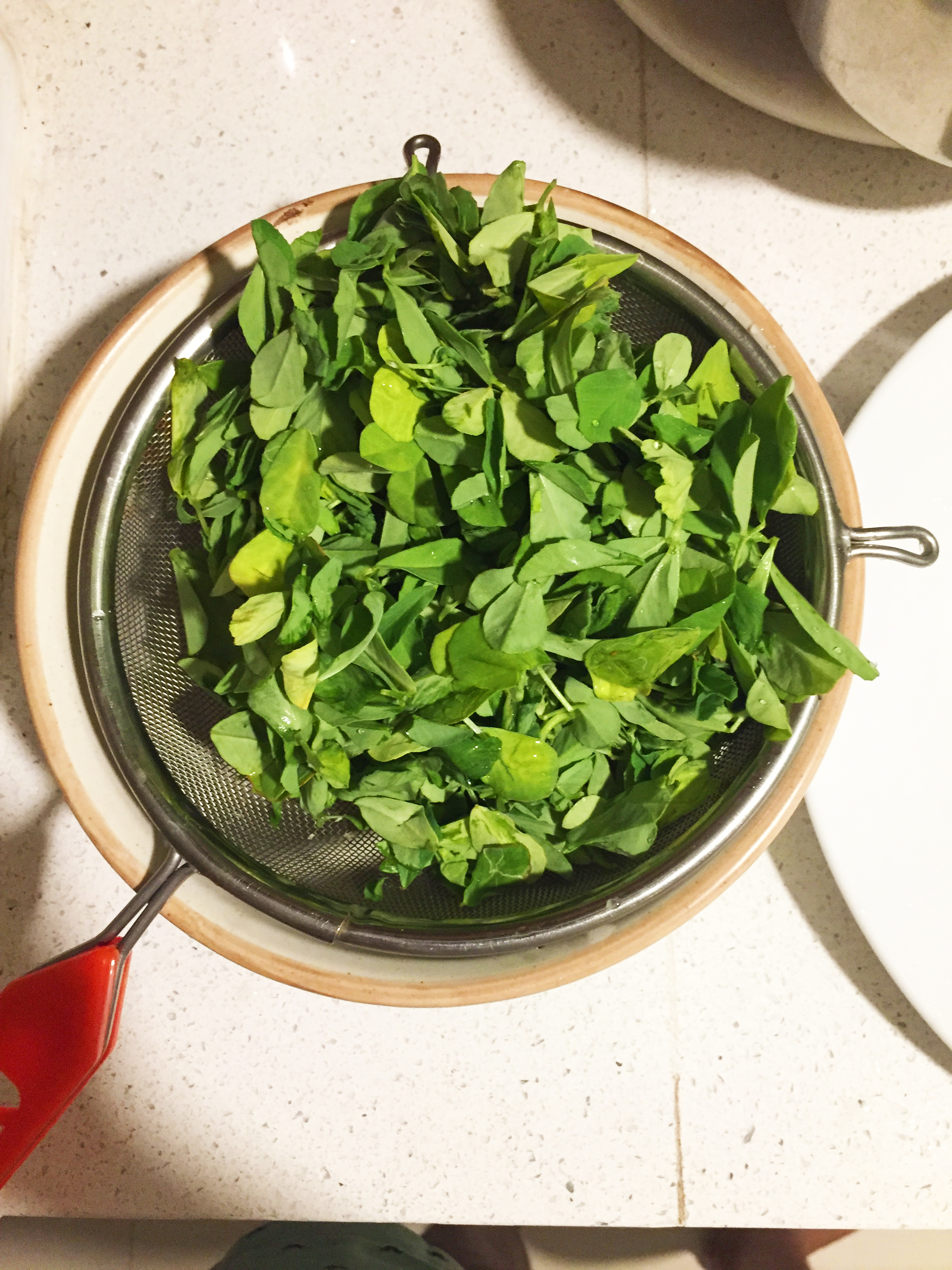
Fenugreek
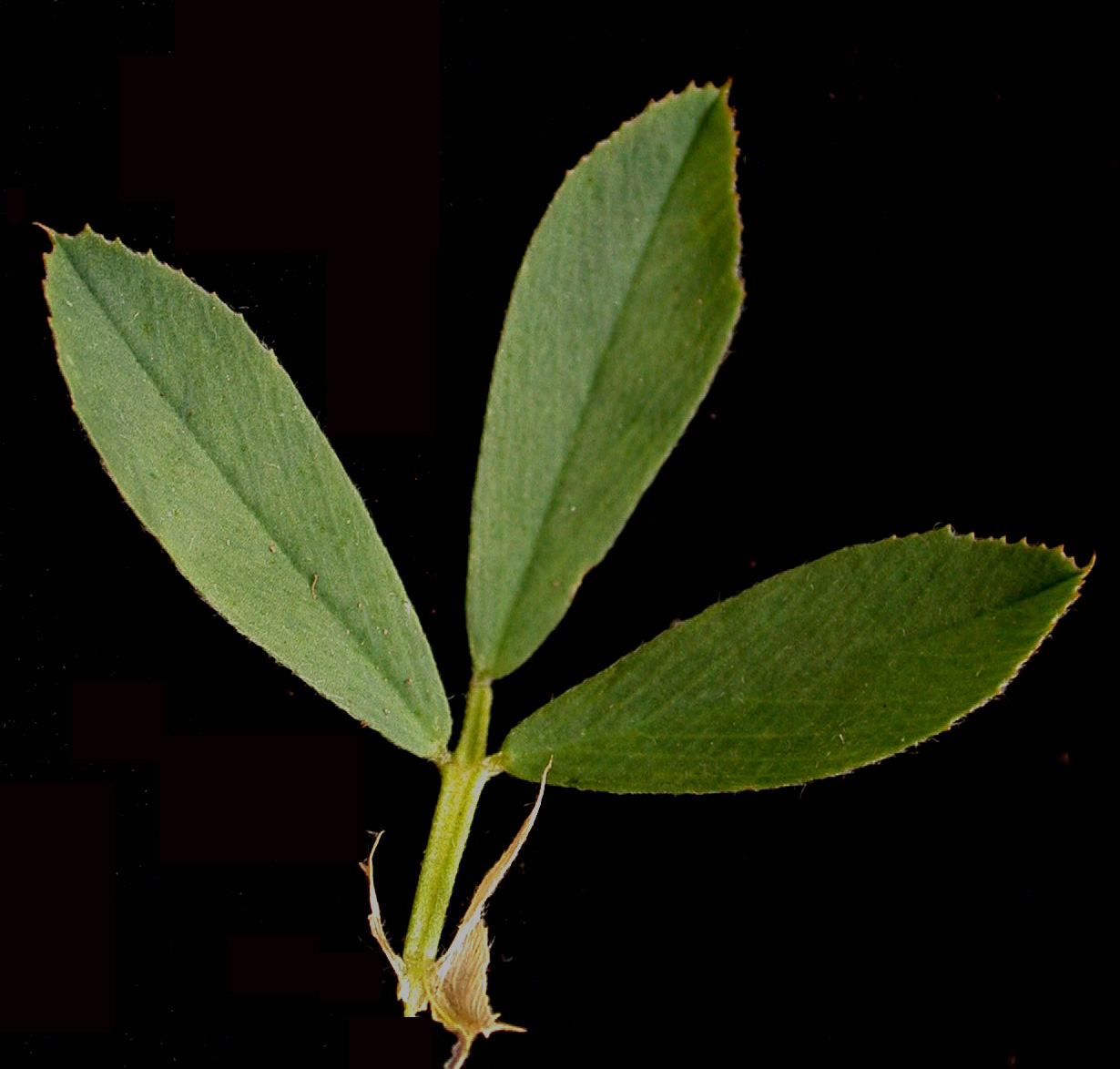
Fenugreek leaves reach their aromatic peak during the British summer, from June to August. While fresh bunches offer a bright, slightly bitter profile, the dried leaves and seeds are year-round essentials for deep, savory heat. Rich in minerals and fiber, it is a foundational element in South Asian cuisine.
Nutrition facts
Per 100 g
Energy35 kcal / 146 kJ
Protein4.6 g
Carbs4.8 g
Fat0.2 g
Salt76 mg Na
Vitamin C91.0 mg
Iron8.80 mg
Figures are estimates per 100 g from reference data and may differ from the product you use. Always check the packaging for accurate nutrition and allergen information. Not a substitute for professional dietary advice.
Reference data McCance & Widdowson 2021
Fenugreek leaves, raw · 13-243 · DG
Literature sources
Energy & Proximates
Energy35.00kcal
Energy146.00kJ
Water87.60g
Protein4.60g
Fat0.20g
Carbohydrates4.80g
of which sugars—g
of which starch—g
Fibre (AOAC)—g
Fibre (NSP)—g
Alcohol—g
Fat Breakdown
Total fat0.20g
Saturated—g
Monounsaturated—g
Polyunsaturated—g
Trans—g
Omega-3—g
Omega-6—g
Cholesterol—mg
Minerals
Sodium76.00mg
Potassium31.00mg
Calcium140.00mg
Magnesium59.00mg
Phosphorus45.00mg
Iron8.800mg
Copper0.260mg
Zinc—mg
Selenium—µg
Iodine—µg
Vitamins
Vitamin A893.00µg
Vitamin D—µg
Vitamin E—mg
Vitamin C91.00mg
Thiamin (B1)0.120mg
Riboflavin (B2)0.280mg
Niacin (B3)1.400mg
Vitamin B6—mg
Vitamin B12—µg
Folate—µg
More from Vegetables