Ingredients
/
Fish & Seafood
/
Sprats
 Out of season
Season
Nov–Feb
Ruled by
☽ Moon
Calories
172 kcal
Protein
18.3 g
MW references
3
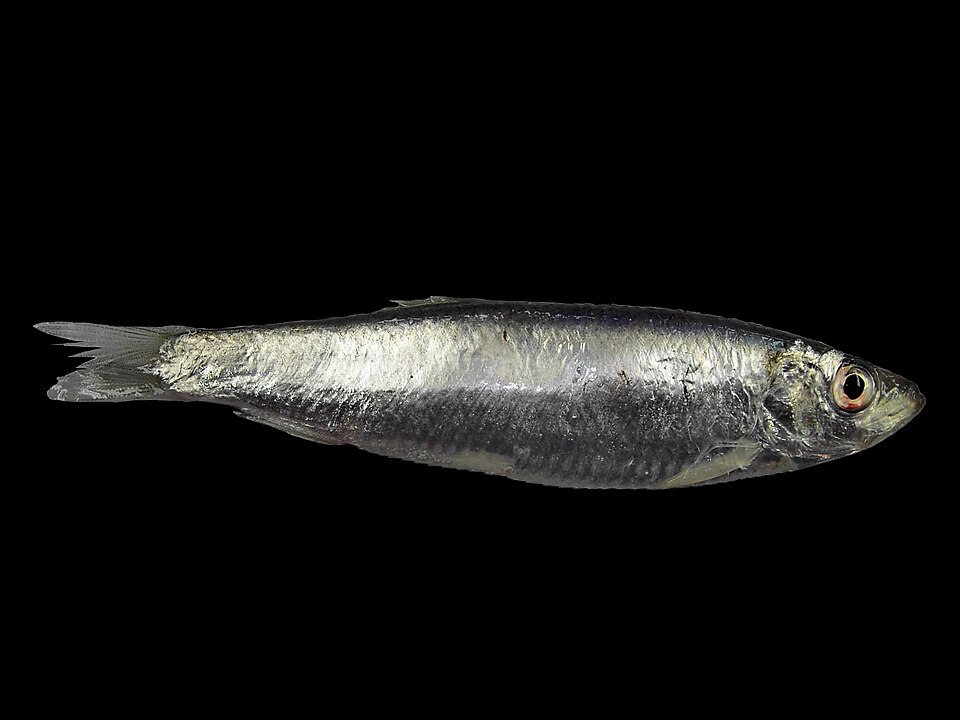
Sprats
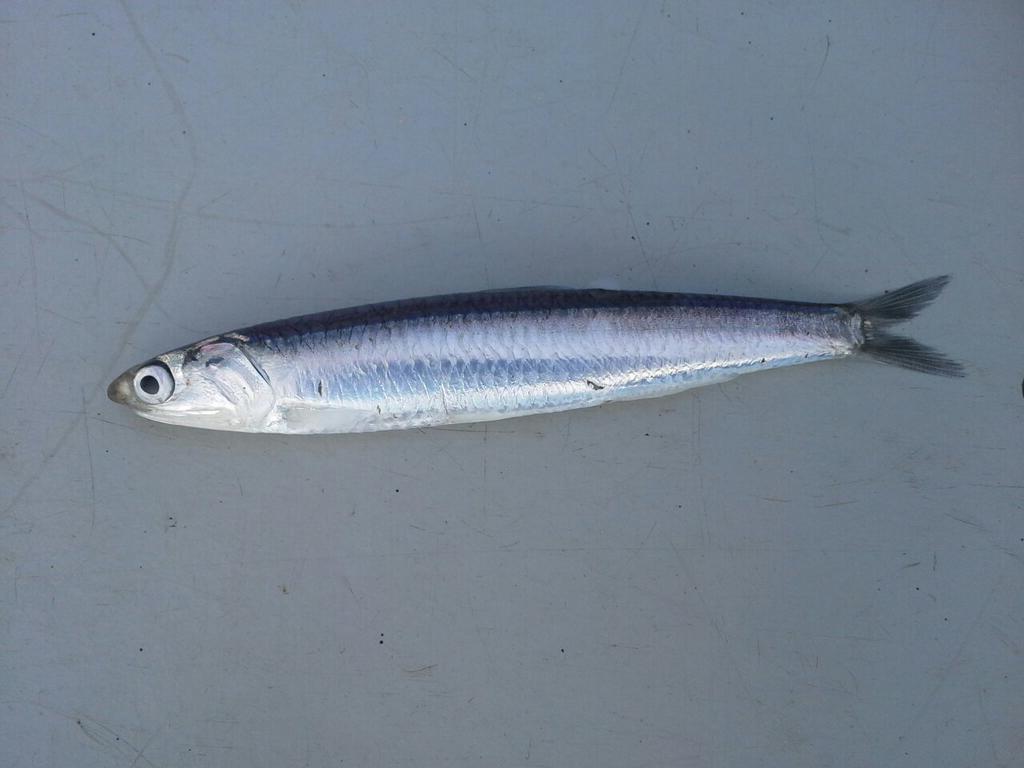
Sprats peak from November to February. They are at their best during winter when their fat content is highest, making them more flavorful. Sprats are a highly sustainable choice because they are small, fast-growing, and sit low on the food chain. Most are caught using pelagic trawls, which stay in the open water and do not touch the seabed, resulting in very low habitat impact.
Nutrition facts
Per 100 g
Energy172 kcal / 718 kJ
Protein18.3 g
Fat11.0 g
— saturated2.2 g
Salt200 mg Na
Iron1.10 mg
Figures are estimates per 100 g from reference data and may differ from the product you use. Always check the packaging for accurate nutrition and allergen information. Not a substitute for professional dietary advice.
Reference data McCance & Widdowson 2021
Sprats, raw · 16-218 · JC
10 samples from assorted outlets, purchased whole
Energy & Proximates
Energy172.00kcal
Energy718.00kJ
Water66.30g
Protein18.30g
Fat11.00g
Carbohydrates—g
of which sugars—g
of which starch—g
Fibre (AOAC)—g
Fibre (NSP)—g
Alcohol—g
Fat Breakdown
Total fat11.00g
Saturated2.20g
Monounsaturated4.70g
Polyunsaturated3.00g
Trans—g
Omega-32.680g
Omega-60.310g
Cholesterol93.00mg
Minerals
Sodium200.00mg
Potassium320.00mg
Calcium97.00mg
Magnesium37.00mg
Phosphorus240.00mg
Iron1.100mg
Copper0.090mg
Zinc1.700mg
Selenium10.00µg
Iodine64.00µg
Vitamins
Vitamin A60.00µg
Vitamin D13.000µg
Vitamin E0.510mg
Vitamin C—mg
Thiamin (B1)0.001mg
Riboflavin (B2)0.200mg
Niacin (B3)3.000mg
Vitamin B60.270mg
Vitamin B127.000µg
Folate—µg