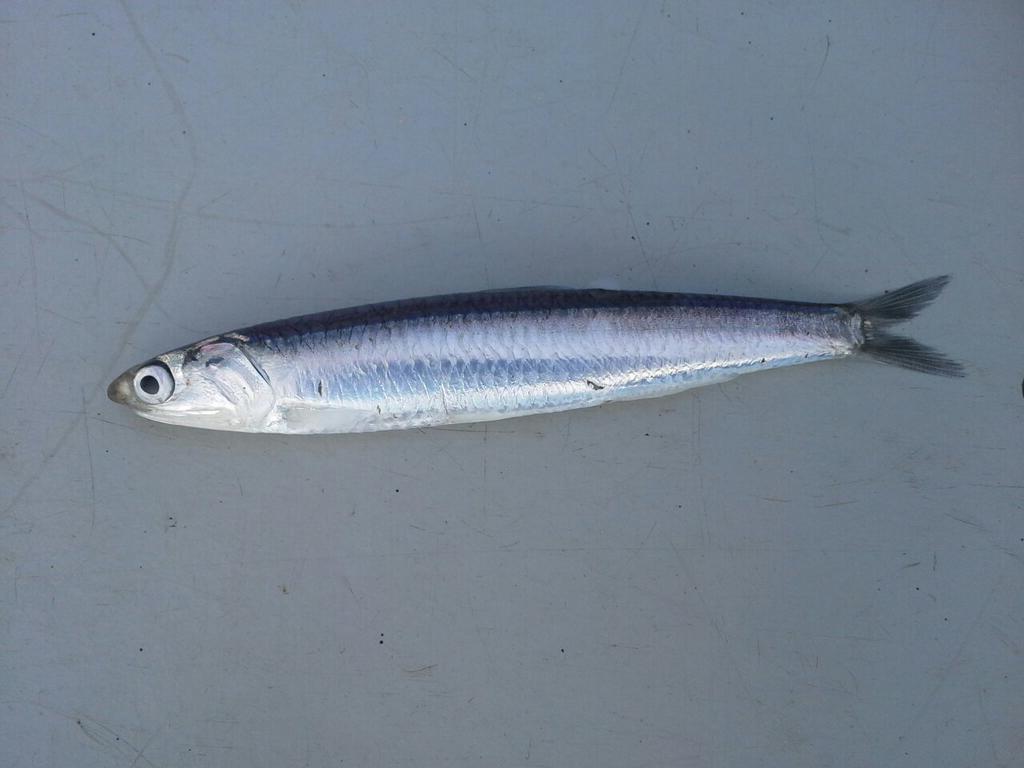
Sardines
Fish & Seafood
Seasonal
♆
Neptune
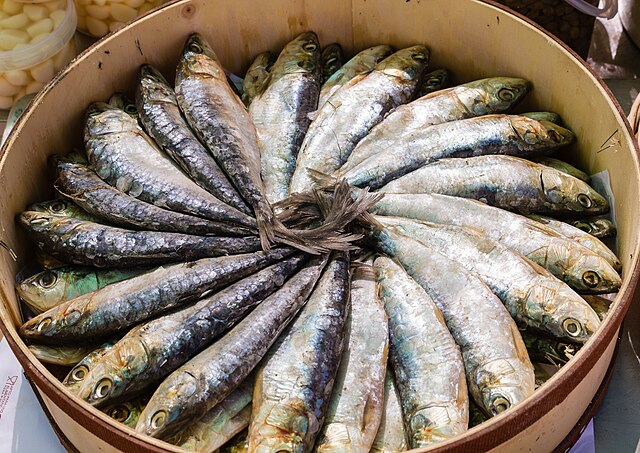
Sardines peak from July to September.
They are at their best during the summer when they have moved into warmer coastal waters and their oil content is highest, resulting in a richer flavor. From a sustainability standpoint, sardines are a resilient, fast-growing species. Choosing fish caught using ring nets or drift nets is the preferred method, as these techniques are highly selective and have minimal impact on the seafloor compared to larger scale industrial trawling.
Nutrition facts
Per 100 g
Energy134 kcal / 562 kJ
Protein19.8 g
Fat6.1 g
— saturated1.8 g
Salt136 mg Na
Iron1.55 mg
Figures are estimates per 100 g from reference data and may differ from the
product you use. Always check the packaging for accurate nutrition and allergen
information. Not a substitute for professional dietary advice.
Reference data McCance & Widdowson 2021
Sardines, flesh only, raw · 16-401 · JC
6 samples, 5 products, frozen and chilled
Energy & Proximates
Energy134.00kcal
Energy562.00kJ
Water74.40g
Protein19.80g
Fat6.10g
Carbohydrates—g
of which sugars—g
of which starch—g
Fibre (AOAC)—g
Fibre (NSP)—g
Alcohol—g
Fat Breakdown
Total fat6.10g
Saturated1.83g
Monounsaturated1.80g
Polyunsaturated1.56g
Trans0.01g
Omega-31.320g
Omega-60.240g
Cholesterol51.00mg
Minerals
Sodium136.00mg
Potassium387.00mg
Calcium50.00mg
Magnesium32.00mg
Phosphorus257.00mg
Iron1.550mg
Copper0.130mg
Zinc0.700mg
Selenium51.00µg
Iodine79.00µg
Vitamins
Vitamin A10.00µg
Vitamin D4.000µg
Vitamin E0.310mg
Vitamin C—mg
Thiamin (B1)0.001mg
Riboflavin (B2)0.340mg
Niacin (B3)10.100mg
Vitamin B60.310mg
Vitamin B128.300µg
Folate7.00µg
 Peak season