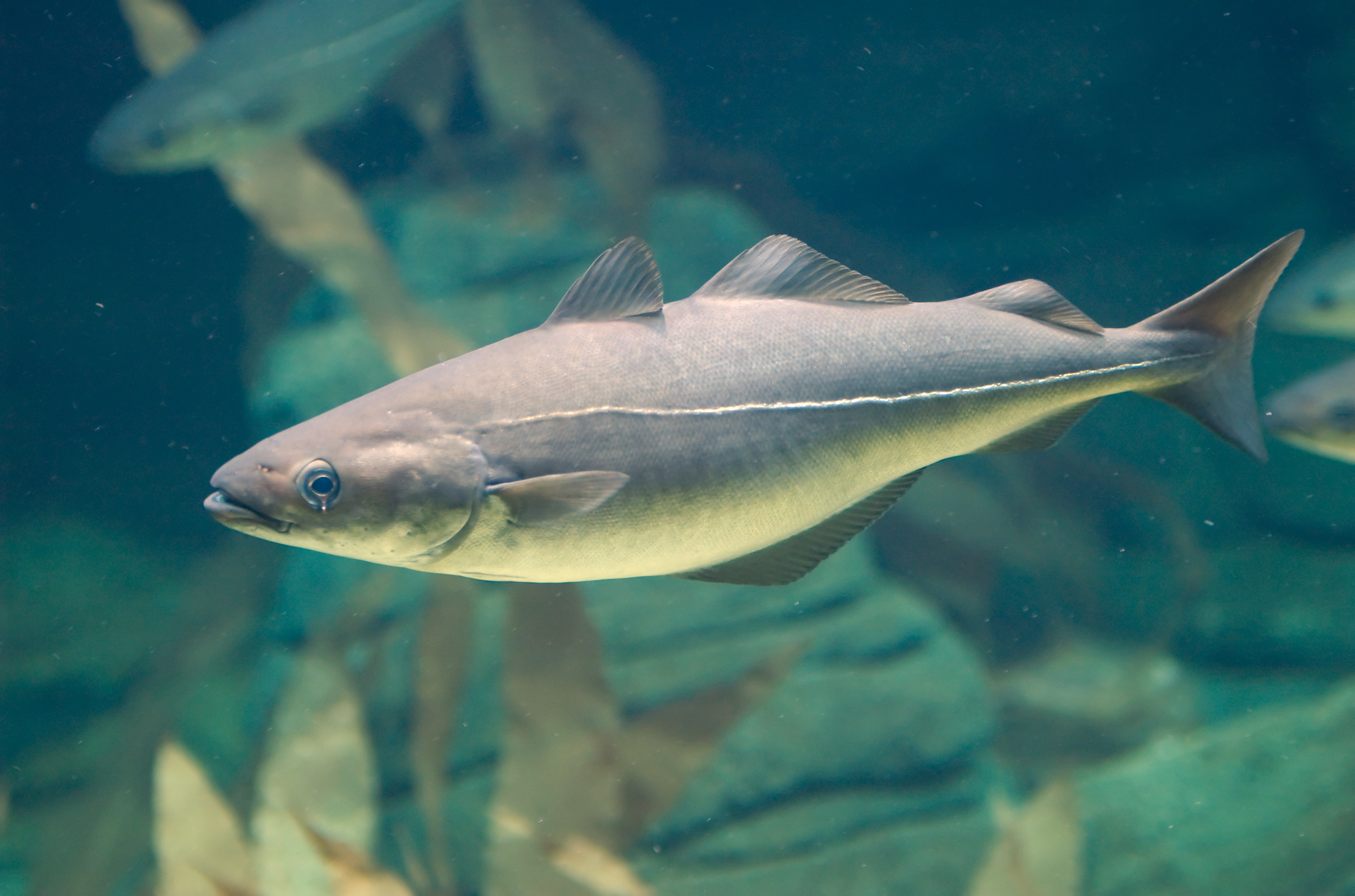
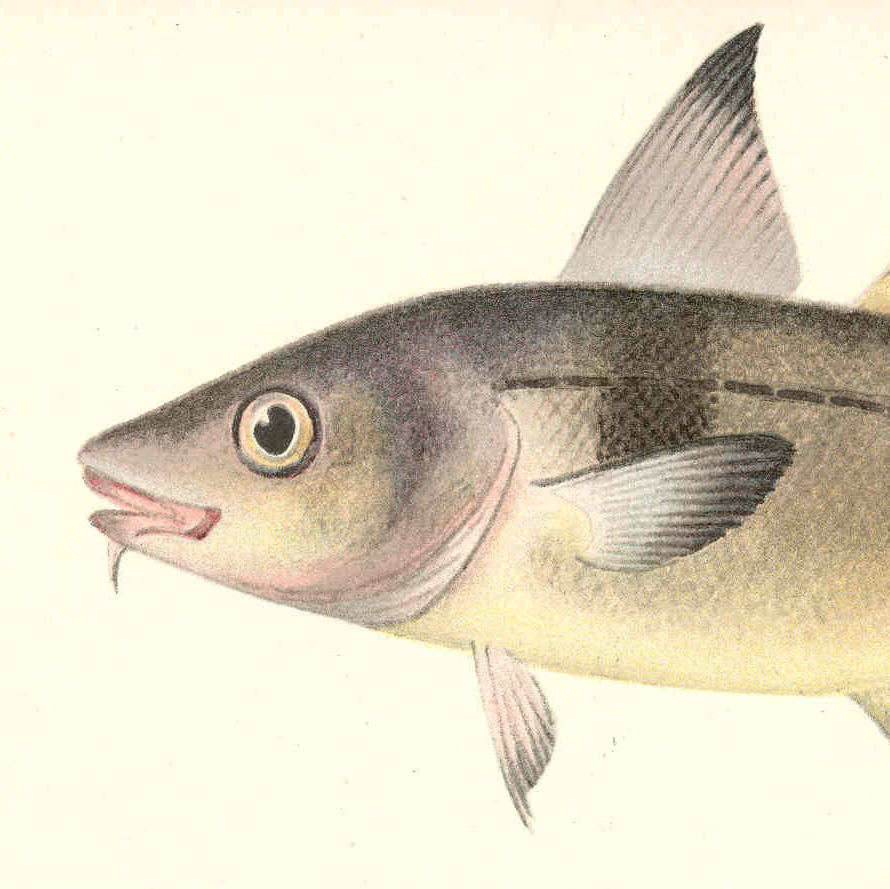
Haddock
Fish & Seafood
Seasonal
♆
Neptune
Haddock peaks from September to February.
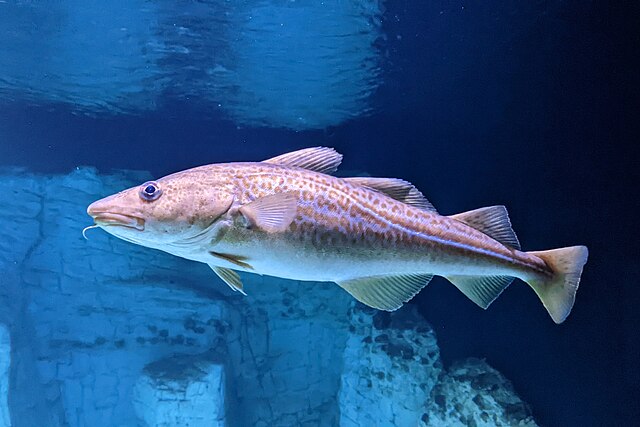
One of the most popular whitefish, it is at its prime during the colder months when the flesh is firmest and flakes beautifully. While it is a staple year-round, its quality is highest during this winter window. To ensure you are making a sustainable choice, look for haddock with the MSC blue label, which confirms it has been sourced from well-managed fisheries that maintain healthy stock levels in the North Atlantic.
Nutrition facts
Per 100 g
Energy75 kcal / 317 kJ
Protein17.8 g
Fat0.4 g
— saturated0.1 g
Salt68 mg Na
Iron0.12 mg
Figures are estimates per 100 g from reference data and may differ from the
product you use. Always check the packaging for accurate nutrition and allergen
information. Not a substitute for professional dietary advice.
Reference data McCance & Widdowson 2021
Haddock, flesh only, raw · 16-375 · JA
11 samples, 11 products, frozen and chilled
Energy & Proximates
Energy75.00kcal
Energy317.00kJ
Water81.70g
Protein17.80g
Fat0.40g
Carbohydrates—g
of which sugars—g
of which starch—g
Fibre (AOAC)—g
Fibre (NSP)—g
Alcohol—g
Fat Breakdown
Total fat0.40g
Saturated0.09g
Monounsaturated0.08g
Polyunsaturated0.10g
Trans—g
Omega-30.090g
Omega-60.010g
Cholesterol49.10mg
Minerals
Sodium68.00mg
Potassium315.00mg
Calcium11.00mg
Magnesium25.00mg
Phosphorus163.00mg
Iron0.120mg
Copper0.020mg
Zinc0.300mg
Selenium34.00µg
Iodine320.00µg
Vitamins
Vitamin A1.00µg
Vitamin D0.001µg
Vitamin E0.490mg
Vitamin C—mg
Thiamin (B1)0.130mg
Riboflavin (B2)0.150mg
Niacin (B3)4.900mg
Vitamin B60.290mg
Vitamin B121.900µg
Folate10.00µg
 Peak season